
Tile sizing guide
Q. What is the Australian Standard, and how do I know if the variance in my tile is normal?
The Australian Standard permits a variance in length and width from the nominated work size of ±0.6%, with a maximum of ±2mm. For example, a 600 × 600mm tile can measure anywhere between 598mm and 602mm. A variance of 4mm is still within the standard.
Q. What is the nominated work size?
Tiles are defined in three different size categories:
- Nominal Size – The approximate size used to group tiles (e.g. 300 × 300mm, 600 × 600mm). This is also the size printed on tile boxes.
- Work Size – The size the manufacturer aims to achieve. This is the actual manufactured size and may differ slightly from the nominal size.
- Actual Size – The true finished size, measured across the face of the tile once production is complete and in accordance with the Standard.
Note: Tiles with the same nominal size can still have different work sizes (known as calibres). When mixing calibres, wider grout joints may be needed to accommodate tolerances.
Q. How do I check if my tiles comply?
To check compliance, measure ten tiles in both length and width (40 measurements total) to establish an average actual working size. If this average falls within the tolerance range outlined above, the tiles are deemed compliant and First Quality.
For example, if the average work size of a tile is 297 × 599mm, the acceptable range is 295–299mm by 597–601mm.
Q. What grout joint size should I use?
The Australian Standard AS 3958.2023 recommends a 3mm grout joint, which generally allows enough tolerance for variations in tile size and ensures proper installation.
Note: A 2mm grout joint (or smaller) can be used if desired, but this may not be practical if the substrate is not perfectly flat, plumb, or true.
Q. Why are my tiles in different sizes?
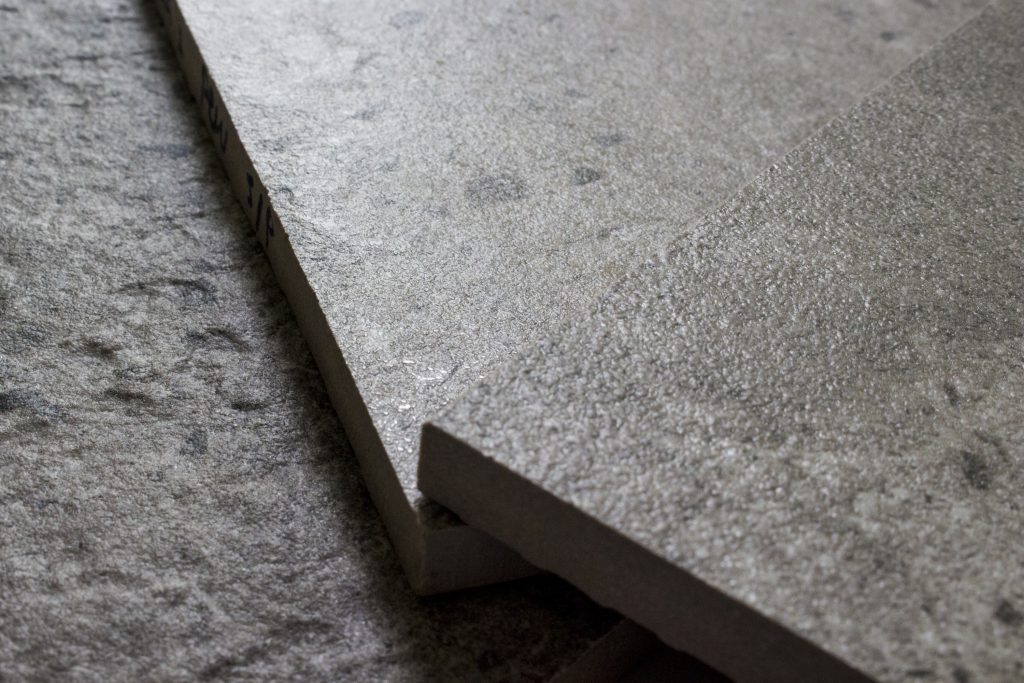
When shopping for tiles, each product description lists a nominated standard size, yet variations are common even within the same collection or batch. This is due to manufacturing processes and tolerances.
Q. What is Nominal Tile Sizing?
‘Nominal sizing’ refers to the most common size options offered in floor and wall tile collections. For example, collections may include smaller formats such as 200 × 200mm tiles through to large-format 600 × 1200mm tiles. Advances in porcelain production now make oversized tiles easier to achieve.
As an example, the Tibet range replicates natural stone and is available in a wide variety of sizes. A product labelled as 600 × 600mm may in reality measure closer to 597 × 597mm, depending on manufacturing variation
Q. Why don’t my tiles line up?
Minor size variations are an accepted part of tile manufacturing. These can occur:
- Between different collections with the same nominal size.
- Within the same collection across different batches.
- Even within a single batch, where tiles can differ by a few millimetres.
This is not considered a defect. If your project requires extremely precise sizing, consult with your tile supplier or showroom consultant before ordering to ensure the right product and layout choice
DISCLAIMER All material on this website is published in good faith, however Skheme Pty Ltd does not warrant or represent the origin, validity, accuracy, completeness, timeliness, authenticity or reliability of, nor accept any responsibility for errors or omissions, in any material on this website or in any accompanying or other material, including advertisements, whether oral, visual, written, printed or electronic. Skheme Pty Ltd is not liable for any losses, claims, damages, demands, costs and expenses of whatsoever nature arising in any way, including those caused by negligence, out of or in connection with the use of this website, or any accompanying or subsequent information, or by reason of any reliance upon its contents by any person, company or organisation. All access to, and use of, the information is at the user’s risk. All technical details, recommendations and other information contained on this website represent the best of our knowledge and experience at the time of publishment. It is your responsibility to ensure that our products are used and handled correctly and in accordance with any applicable Australian Standard, our instructions and recommendations and only for the uses they are intended. Country specific recommendations, depending on local standards, codes of practice, building regulations or industry guidelines, may affect specific installation recommendations. The supply of our products & services is also subject to certain terms, warranties and exclusions, which may have already been disclosed to you in prior dealings or are otherwise available to you on request. Skheme reserves the right to alter, amend, vary or otherwise change any information on this website at any time and without prior notice to you to reflect our ongoing research and development program. The provision of any URL or link is done for the convenience of users of this website. It does not constitute an endorsement by the Skheme of that URL or link or the information at that Internet site. Potential customers should speak to a Skheme consultant regarding the qualities, colours and textures of all Skheme products before purchase.